

I will never forget the feeling at 45. Every single morning. I’d wake up feeling like a balloon was inflating inside me. My gut was tight, painful, and full of pressure. A simple breakfast—a bowl of cereal, a glass of orange juice—could leave me so bloated I had to unbutton my pants. I was told it was just “part of getting older.” That this discomfort, this daily digestive rebellion, was my new normal. I felt weak and betrayed by my own body.
If you’re reading this, you probably know that feeling all too well. That frustrating search for relief. That worry about what foods might set you off next. I am not a doctor. I can’t give you medical advice. But I am a man who spent 20 years figuring this out. Here is what I discovered on my journey back to feeling light, strong, and energetic.
The key for me wasn’t one magic pill. It was becoming the architect of my own gut health. I learned that the list of foods that cause gas and bloating was only half the battle. The real solution was a complete protocol: removing the irritants, adding powerful allies, and fixing my daily habits.
My Personal Gassy Foods to Avoid List

My research and painful trial and error taught me that “healthy” foods can be the biggest offenders. This is my personal list. Your body may be different, but this was my starting point.
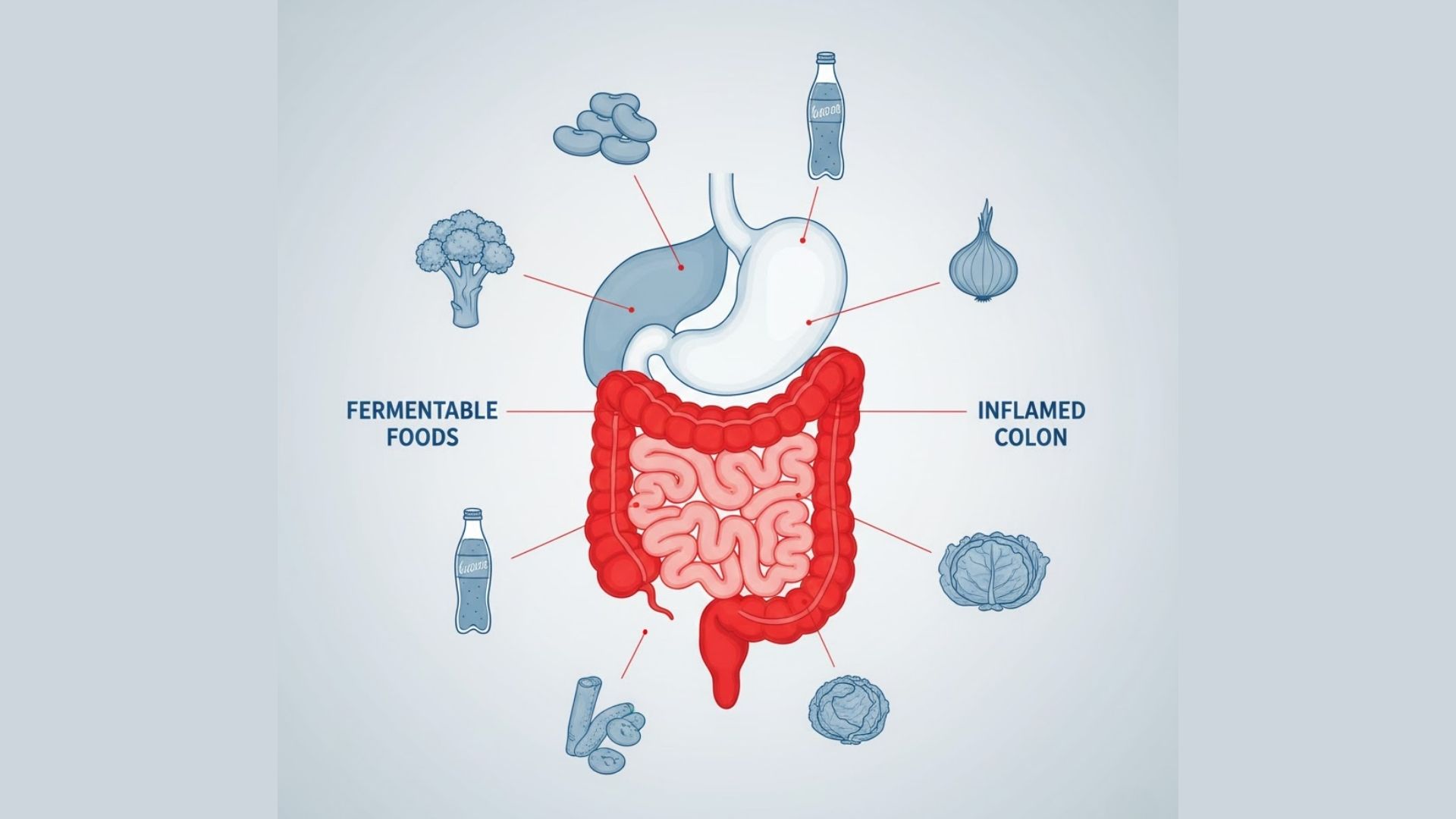
- Beans and Lentils: They were a major trigger for me. I learned they contain certain sugars that can ferment in the gut.
- Cruciferous Vegetables: Broccoli, cauliflower, cabbage. I loved them, but they loved to create gas in my system.
- Dairy: Especially milk and soft cheeses. I discovered my tolerance for lactose had dropped dramatically.
- High-FODMAP Fruits: Apples, pears, peaches, and mangoes often left me bloated. I didn’t know about FODMAPs back then—I just knew they caused me pain.
- Wheat and Rye: Breads and pastas, especially the highly processed kinds, made me feel heavy and gassy.
- Carbonated Drinks: The bubbles in soda and sparkling water were literally adding air to my stomach.
- Artificial Sweeteners: Sorbitol and mannitol, found in “sugar-free” gums and candies, were a direct ticket to bloating for me.
The Foods That Prevent Gas and Bloating I Built My Diet On

After removing the irritants, I had to find safe, nourishing foods. This list of foods that don’t cause gas became my nutritional foundation. This is what worked for me to calm my stomach.
- Lean Proteins: Chicken, fish, and eggs became my reliable staples. They digested easily for me.
- Low-FODMAP Vegetables: I switched to greens like spinach, zucchini, and cucumbers. Bell peppers and carrots were also gentle on my gut.
- Low-FODMAP Fruits: I found I could enjoy berries, oranges, grapes, and pineapple without the usual discomfort.
- White Rice and Oats: These grains were easily digestible sources of energy for my body.
- Healthy Fats: Avocado, olive oil, and nuts like almonds (in small amounts) provided fuel without fermentation.
How I Learned to Remove Gas from Stomach Instantly

Sometimes, despite my best efforts, gas would strike. Over the years, I developed a toolkit of simple, non-medical practices for instant relief. This was my personal protocol.
- Gentle Abdominal Massage: I would lie on my back and gently massage my belly in a clockwise motion. This followed the path of my colon and helped move trapped gas.
- The “Knee-to-Chest” Pose: Lying flat, I would slowly pull one knee, then both, toward my chest. This posture often provided immediate pressure relief.
- A Cup of Warm Ginger or Peppermint Tea: For me, this was the best drink to help relieve gas. The warmth and properties of these herbs seemed to soothe my digestive muscles.
- A Short, Easy Walk: I stopped sitting still when bloated. A 10-minute slow walk around the block almost always helped things start moving.
- Deep Belly Breathing: I would sit quietly, place a hand on my belly, and take slow, deep breaths. This calmed my nervous system and relaxed my gut.
Also Read : How I healed My Leaky Gut at home.
What I Learned About What Excessive Gas Can Be a Sign Of

In my two decades of deep research, I learned that chronic gas and bloating are often signals, not just random events. My body was trying to tell me something was off. In my case, it pointed to a few key areas:
- Poor Food Combining: I was eating fruits right after meals, which fermented quickly on top of slower-digesting foods.
- Eating Too Fast: I was swallowing massive amounts of air. I learned to eat slowly and chew thoroughly.
- Chronic Stress: My “fight or flight” mode was shutting down my “rest and digest” system. My gut couldn’t function properly under constant stress.
- An Imbalanced Gut Microbiome: The community of bacteria in my gut was out of whack. The wrong kinds were thriving on the foods I was eating.
- Possible Sensitivities: It led me to explore my personal reactions to gluten and lactose, which were significant.
My turnaround came from listening to these signals and systematically addressing them as lifestyle factors, not just stomach aches.
Frequently Asked Questions
What are the worst foods for gas and bloating?
Based on my experience, the top contenders were beans, broccoli, dairy (for me), apples, and wheat bread. Carbonated drinks and artificial sweeteners were also direct triggers. This is my personal list.
What is the best food to get rid of gas?
In my protocol, ginger was a powerful ally. I would take fresh ginger in tea or grate it into meals. For me, papaya and pineapple also helped due to their natural digestive enzymes. This is what worked for me.
What are the top 10 gassy foods?
From my 20-year journal, my top 10 were: 1) Beans, 2) Lentils, 3) Broccoli, 4) Cabbage, 5) Milk, 6) Apples, 7) Onions, 8) Wheat bread, 9) Carbonated soda, 10) Sugar-free gum with sorbitol.
What drink helps relieve gas?
I found warm liquids most effective. My go-to was a simple cup of peppermint tea or ginger tea. Sometimes, just warm water with lemon worked. The key for me was warmth and sipping slowly.
Is excessive gas a sign of a serious problem?
In my deep research, I learned it can sometimes signal underlying issues. For me, it was a sign of lifestyle and dietary mismatches. This is critical: I am not a doctor. If you have severe or persistent issues, you must consult a physician to rule out other causes.
Conclusion
At 45, I was told my gas and bloating were just aging. At 65, I feel lighter and more energetic than I did then. The path wasn’t about finding a single cure. It was about becoming an investigator and an architect for my own health. I listened to what my body was really saying. I identified my personal list of foods that cause gas and bloating and replaced them with calming, nourishing alternatives. Along the way, I learned simple tricks for instant relief.
You don’t have to accept discomfort as normal. You have the power to experiment, to learn, and to build a protocol that works for your unique body. You are the architect of your own body. Start building today.
Disclaimer: The content on this website is based on personal experience and research. It is for informational purposes only and is not medical advice. I am not a doctor. Always consult your physician before changing your diet, exercise, or supplement routine.