

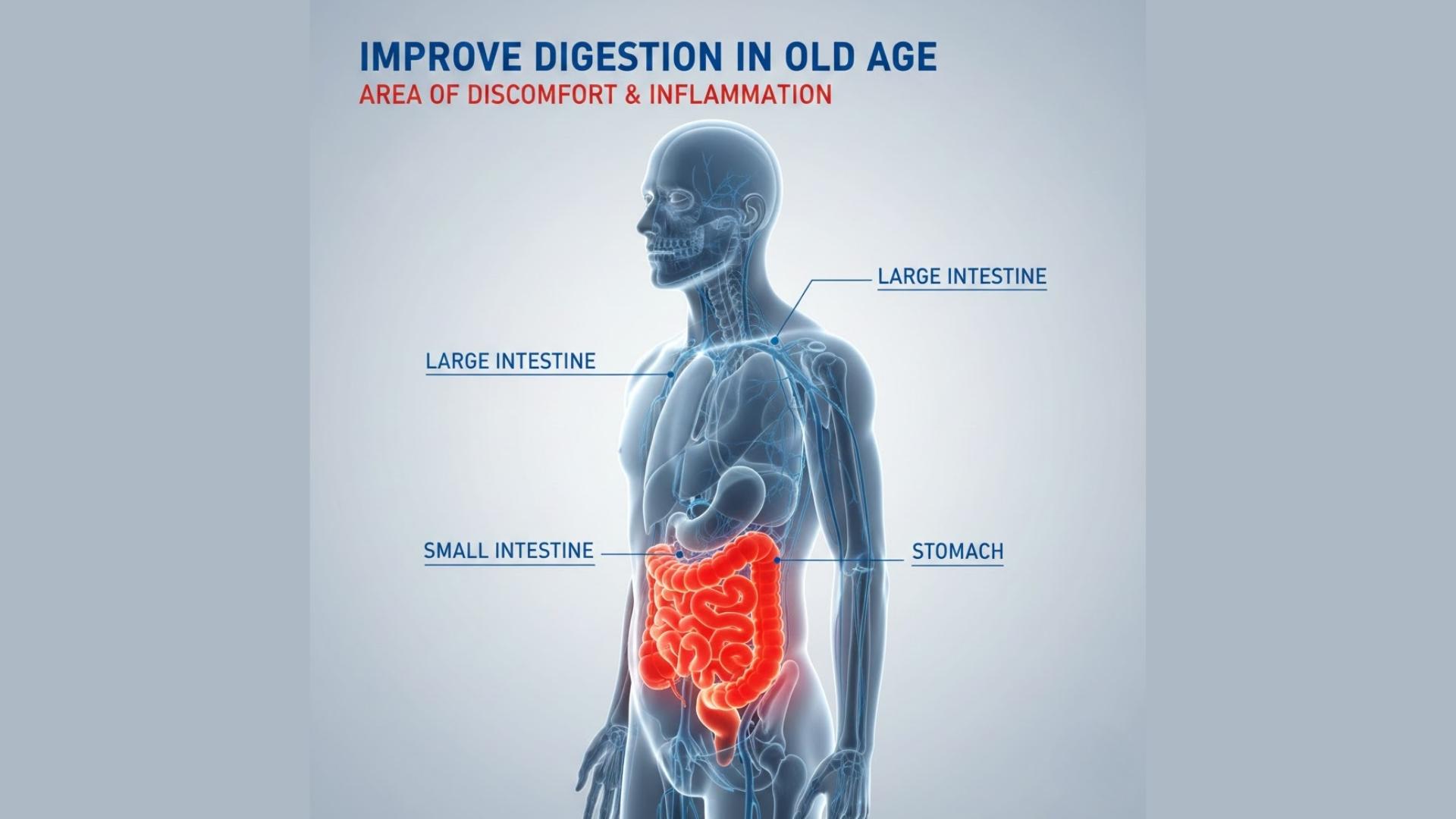
I remember my 45th birthday as if it were yesterday, not because of any celebration, but because of the pain. For a whole hour after cutting the birthday cake, I lay curled up on the sofa. My stomach felt like a hard, angry fist. Bloating, heartburn, and a constant dull ache had become my constant companions.
If you’re reading this, you know that feeling. The post-meal discomfort. The fear of eating certain foods. The belief that your best days are behind you. I know exactly how that feels. I am not a doctor. But I am a man who spent 20 years rejecting that fate. Here is what I found.
The key to fixing my digestion was not one miracle pill. It was understanding that my body’s engine had changed. I discovered that by listening to it and making simple, natural adjustments to how and what I ate, I could rebuild my system from the inside out.
My Personal Protocol for a Healthy Gut After 50
For two decades, I researched and experimented on myself. I moved from chronic pain to vibrant health. My digestion now, at 65, is smoother and more reliable than it was in my 30s. This is my personal narrative of recovery. This is what worked for me.
How Digestion Changes After 50 (And What To Do About It)

At 45, my stomach felt like it had turned to stone. I learned this wasn’t just “aging.” It was my body sending signals. As we get older, natural production of digestive enzymes and stomach acid can decrease. The gut’s muscles can slow down. This isn’t a life sentence. It’s a manual for a new machine.
My protocol was to become a detective of my own body. I started a food journal. Not just what I ate, but how I felt one hour and three hours later. I stopped eating in a rush. I discovered that my body could no longer handle the large, fast meals of my youth. The single biggest change I made was this: I began to eat smaller, more frequent meals. I traded three big meals for five smaller ones. This gave my digestive system a manageable workload. The relief was almost immediate.
Foods Hard to Digest As You Get Older (And My Smart Swaps)

Through my journal, I identified my personal trigger foods. These are common culprits, but your list may differ. My experience taught me to not eliminate, but to adapt.
- Fried and High-Fat Foods: My beloved french fries would leave me feeling heavy and sluggish for hours. My swap: I started baking or air-frying. I used healthy oils like avocado oil sparingly.
- Processed Meats: Sausages and bacon became a source of major bloating. My swap: I focused on easier-to-digest proteins like grilled chicken, fish, and eggs.
- Cruciferous Vegetables: Raw broccoli and cauliflower were a recipe for gas. My swap: I lightly steamed them. Cooking breaks down the tough fibers, making them gentler on the gut.
- Wheat and Gluten: I found that dense breads and pastas weighed me down. My swap: I experimented with sourdough (the fermentation helps) and ancient grains like quinoa or white rice.
- Dairy: Milk started to feel inflammatory. My swap: I switched to fermented dairy like kefir or plain yogurt, which contain natural probiotics, or used almond milk.
How to Improve Digestion Naturally at Home

You don’t need expensive treatments. The most powerful tools are in your kitchen and your habits. My natural protocol was built on four pillars.
- The 20-Minute Meal Rule: I force myself to take at least 20 minutes to eat a meal. I put my fork down between bites. Chewing thoroughly is the first and most critical step of digestion. It signals your stomach to prepare.
- The Post-Meal Walk: I stopped sitting or lying down after eating. Instead, I go for a gentle 10-15 minute walk. Research suggests light movement aids digestion and helps regulate blood sugar.
- Hydration Timing: I drink plenty of water, but not during meals. I found that drinking large amounts with food diluted my stomach acid. I hydrate well in the hours between meals.
- Stress Management: I learned that my gut is my “second brain.” When I was stressed, my gut was in knots. I incorporated five minutes of deep breathing before each meal to calm my nervous system.
What to Drink After a Meal to Help Digestion

This was a game-changer for me. Replacing a big glass of ice water or coffee after eating with specific, gentle beverages made a dramatic difference. This is what worked for me.
- Warm Ginger Tea: My absolute favorite. A cup of warm ginger tea 30 minutes after a meal. Ginger is a natural prokinetic, meaning it helps move food through the digestive tract. I slice fresh ginger, steep it in hot water, and sip slowly.
- Apple Cider Vinegar Tonic: If my meal was particularly heavy, I would mix one teaspoon of raw, unfiltered apple cider vinegar in a small glass of warm water and drink it. Note: This is a personal practice. Some with sensitive stomachs may find it irritating.
- Peppermint or Fennel Tea: For bloating and gas, a warm cup of peppermint or fennel tea was incredibly soothing. These herbs have carminative properties, which help relax the gut muscles and expel gas.
Also Read : How to Relieve Constipation on the Toilet Immediately.
Recognizing the Signals: Symptoms of Poor Digestion
I ignored my body’s signals for years. Don’t make my mistake. These are the symptoms that told me my system needed help:
- Constant bloating and gas after eating
- Persistent heartburn or acid reflux
- Unexplained fatigue, especially after meals
- Irregular bowel movements (constipation or diarrhea)
- Aching joints and “foggy” brain
- Food sensitivities that seemed to appear overnight
These were not just “old age.” They were clues. Addressing my digestion didn’t just fix my gut; it cleared my mind, eased my joints, and restored my energy.
Frequently Asked Questions
My approach was simple: eat slower, chew thoroughly, and move lightly after meals. I focused on whole, cooked foods and introduced gut-friendly drinks like ginger tea. Managing stress was also key.
In my experience, gentle movement after eating helps the most. A short walk, not a workout. I also found that smaller meals and staying hydrated between meals (not during) supported better motility. Ginger tea was a helpful part of my routine.
My body produced fewer digestive enzymes and stomach acid. Things simply moved slower. I had to adapt by eating less per sitting, choosing easier-to-process foods, and being much more mindful of my eating habits.
My top home-based solutions were warm ginger tea, proper chewing, and post-meal walks. I also prioritized sleep and stress reduction, as both directly impact gut function.
Based on my research and the experiences of my peers, three common issues are: slowed motility (constipation), decreased stomach acid production (leading to poor nutrient breakdown), and a decline in beneficial gut bacteria.
Conclusion
The path to improving digestion as we age is not about fear or deprivation. It is about awareness and intelligent adaptation. I went from chronic pain and burnout at 45 to a vitality I never thought possible. I did it by listening to my body, making simple lifestyle changes, and refusing to accept that suffering was normal.
You have the same power. Your body is speaking to you. Start listening. Track your food. Change your meal timing. Try a cup of ginger tea. Take that short walk. You are the architect of your own body. Start building today.
Disclaimer: The content on this website is based on personal experience and research. It is for informational purposes only and is not medical advice. I am not a doctor. Always consult your physician before changing your diet, exercise, or supplement routine.