

I remember the morning I couldn’t twist the cap off the milk. I was 45. My hands, stiff and throbbing, just wouldn’t obey. I’d stare at a simple jar and feel defeated. This wasn’t an injury. It was my new, painful normal. My knees ached walking upstairs. My shoulders were tight by noon. I was told it was “just getting older,” that I should accept the stiffness and the pain. I refused to believe my body was designed for a lifetime of creaking discomfort.
If you’re reading this, you know that feeling. The deep, nagging ache. The frustration when your body won’t do simple things. I know exactly how that feels. I am not a doctor. I’m a man who spent 20 years figuring out how to rebuild himself. I ignored the hopeless advice and became my own architect. Here is what I found on my journey.
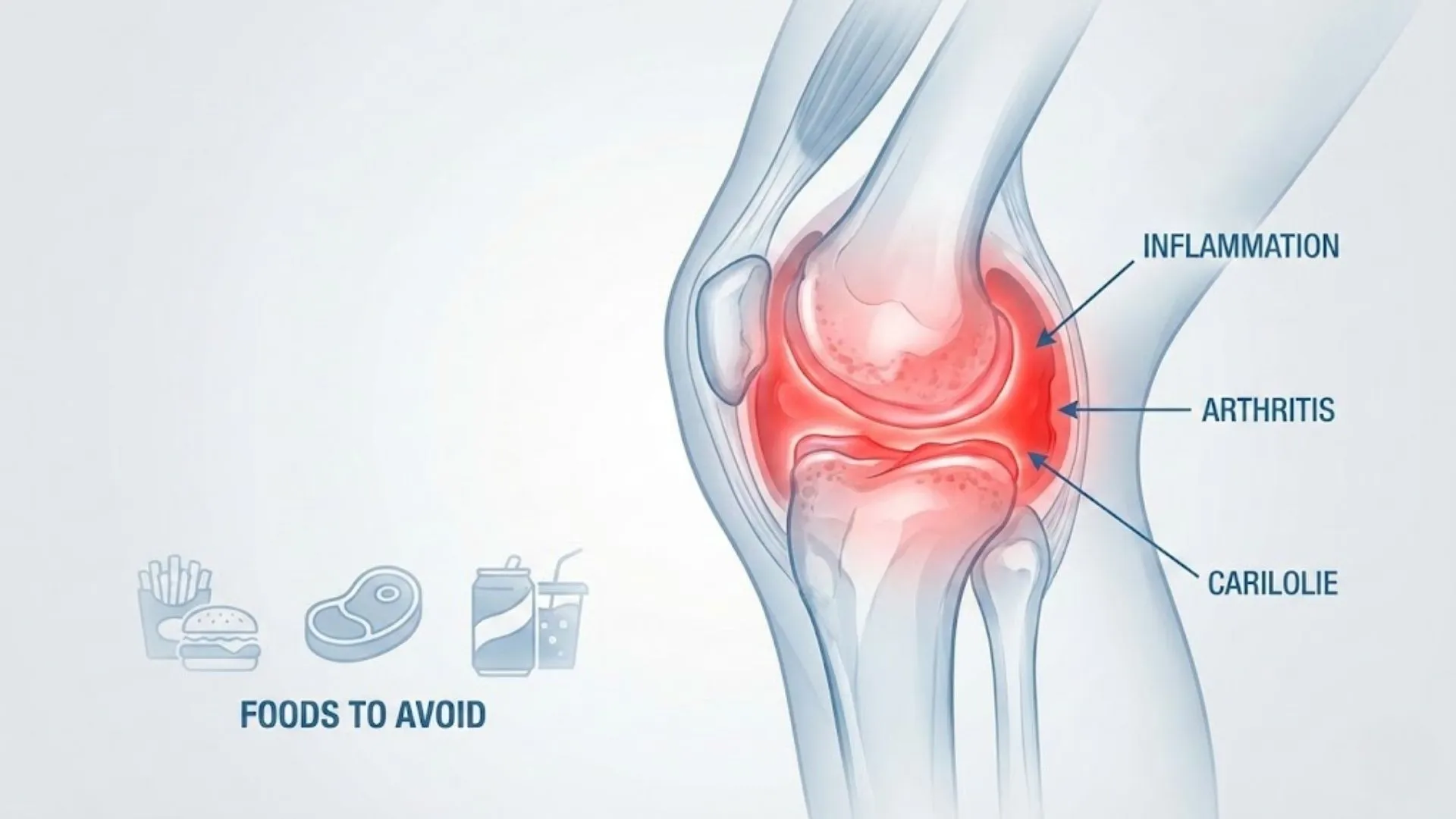
The key to changing everything for me wasn’t a miracle pill. It was my grocery cart. I discovered that certain foods were like gasoline on the fire of my joint pain. Cutting them out was my first, and most powerful, step toward freedom. This is my personal list of foods to avoid with arthritis, based on two decades of self-experimentation. You can also check Shoes For Knee Pain.
What I Learned: Foods Can Be a Trigger
For years, I thought pain was just mechanical wear and tear. Then I learned about silent, systemic inflammation. My body was chronically inflamed, and my joints were the battleground. My pain and stiffness weren’t just age; they were a reaction. The food I ate was sending direct signals to my immune system. Some foods calmed the fire. Others made it rage.
I started keeping a detailed food and pain journal. It wasn’t fancy. Just a notebook. I wrote down what I ate and how my hands, knees, and back felt each day. After a month, patterns screamed at me. The days of severe stiffness followed a specific menu. I realized I wasn’t just feeding myself; I was feeding the inflammation. This was my turning point. I began my elimination protocol.
My Personal 12 Foods to Avoid With Arthritis
This is not a universal prescription. This is my lived experience. These are the 12 items I identified as major triggers for my joint pain and inflammation. When I removed them, my body began to settle.

The Major Inflammatory Culprits
These were the core dietary habits that created a state of constant, low-grade inflammation in my body.
- Sugar & Refined Carbs: This was enemy number one. Pastries, soda, white bread, pasta. They spiked my blood sugar, which research suggests can trigger inflammatory messengers. My morning pain was always worse after a sugary dinner.
- Processed Vegetable Oils: I cleaned out my pantry of corn, soybean, and sunflower oil. High in inflammatory omega-6 fats, they were in everything. I switched to olive oil and avocado oil.
- Fried Foods: French fries, fried chicken, donuts. The combination of bad oils and advanced glycation end-products (AGEs) from high-heat cooking was a double punch for my joints.
- Processed Meats: Hot dogs, bacon, salami, deli slices. The preservatives and additives, like nitrates, directly increased inflammation markers for me.
- Gluten & Refined Wheat: I found that bread, crackers, and cereals made me feel puffy and achy. While I don’t have celiac disease, I discovered a clear sensitivity.
- Conventional Dairy: For me, milk, especially from conventional sources, was problematic. Some theories point to the protein structure. I cut it out and my sinus congestion (another inflammation sign) and some joint pain cleared.
- Alcohol: Especially beer and liquor. It disrupted my gut, strained my liver (my main detox organ), and reliably caused a flare-up the next day.
- Artificial Sweeteners: Aspartame, sucralose. My body didn’t recognize them. In my journal, diet sodas were linked to headaches and achiness.
Hidden Additives & Personal Triggers
These items were sneakier. They either hid in common foods or were unique to my body’s response.
- MSG (Monosodium Glutamate): A common flavor enhancer. I noticed it in soups, sauces, and chips. It seemed to trigger an inflammatory response in my nervous system.
- Excessive Omega-6 Fats: Beyond oils, this meant conventional, grain-fed red meat. I scaled back dramatically.
- Refined Salt: The bleached, processed salt in packaged foods. I switched to natural sea salt or Himalayan salt in moderation.
- Foods I Was Personally Sensitive To: This was key. For me, that included peanuts and certain nightshades. You must become your own detective.
What Are the 5 Worst Foods to Eat If You Have Arthritis? (My Experience)
If I had to narrow my list down to the five most impactful changes, these would be them. Eliminating these gave me the biggest and fastest relief. You can also check: How to Relieve Stiff Joints in the Morning.

- Sugar-Sweetened Beverages: Soda, sweet tea, fancy coffee drinks. Liquid sugar was the fastest way to ignite inflammation.
- Processed “Snack” Foods: Chips, crackers, cookies, pretzels. They combine refined carbs, bad oils, and often sugar or artificial ingredients.
- Fried Foods from Restaurants: These are almost always cooked in reused, heavily oxidized vegetable oils. A guaranteed flare-up for me.
- Cured Meats with Nitrates/Nitrites: Bacon, sausage, pepperoni. The link to inflammation in my body was undeniable.
- Refined White Flour Products: White bread, pasta, pastries. They acted just like sugar in my system.
The Specific Pain: Foods to Avoid With Arthritis in Hands
My hands were my biggest frustration. To fix them, I had to be extra strict. I found that foods causing systemic inflammation hit my small joints hardest. The protocol was the same, but I added a focus on:
- Complete elimination of the “Big 5” above. My hand stiffness was a direct gauge of my dietary slip-ups.
- Zero tolerance for processed foods. Even one packaged muffin could make my fingers stiff the next morning.
- Dramatically reducing common allergens. For me, this meant gluten and conventional dairy. The swelling in my knuckles went down noticeably.
Are Tomatoes Bad for Arthritis? My Nightshade Experiment

This is a huge question. Tomatoes, potatoes, peppers, and eggplants are part of the nightshade family. They contain compounds called alkaloids. Some people are sensitive to them. I was told to avoid all nightshades.
So, I experimented. I cut out all nightshades for 60 days. Then, I reintroduced them one by one. For me, bell peppers and eggplants were fine. But tomatoes and white potatoes caused a noticeable return of achiness, especially in my hands. My personal conclusion? They are not universally “bad,” but they can be a trigger. You must test this on yourself.
Building the Solution: 10 Foods That Help With Arthritis
You cannot just remove. You must rebuild. After clearing out the inflammatory foods, I focused on nourishing my body with anti-inflammatory, nutrient-dense foods. This is what worked for me:
- Fatty Fish: Wild-caught salmon, sardines, mackerel. Packed with omega-3s, nature’s powerful anti-inflammatory.
- Leafy Greens: Spinach, kale, Swiss chard. Full of antioxidants that combat oxidative stress.
- Colorful Berries: Blueberries, strawberries, blackberries. Their antioxidants helped quiet my joint inflammation.
- Broccoli & Cruciferous Veggies: Sulforaphane, a compound in these, supports the body’s natural detox pathways.
- Healthy Fats: Avocados, extra virgin olive oil, nuts (like walnuts and almonds). They built healthy cell membranes.
- Turmeric & Ginger: I added these spices to everything. Curcumin in turmeric is a well-studied anti-inflammatory.
- Garlic & Onions: Rich in quercetin and other compounds that may inhibit inflammatory enzymes.
- Bone Broth: I started making my own. The collagen, glucosamine, and chondroitin seemed to support my joint comfort.
- Tart Cherries: Their anthocyanins helped me, especially with post-activity stiffness.
- Green Tea: I swapped coffee for green tea for its EGCG, a potent antioxidant.
Is Chicken Good for Arthritis? My Protein Protocol
This depends entirely on the source. Conventional, grain-fed chicken was high in inflammatory omega-6 fats and did not help me. It was part of the problem. Here’s what I changed:
- I switched to 100% pasture-raised or organic chicken. The fat profile is healthier.
- I treated it as a side, not the main course. My plate became 70% colorful vegetables, 20% quality protein (like clean chicken or fish), 10% healthy fat.
- I diversified my protein. I relied more on fish, occasional grass-fed beef, and plant proteins like lentils and beans.
- My rule: If it’s not high-quality, I don’t eat it. Quality over quantity transformed my approach.
Frequently Asked Questions
In my experience, the biggest culprits were sugar, refined vegetable oils, fried foods, processed meats, and refined grains like white bread. These consistently increased my pain and stiffness within hours or days.
For my body, the worst were: sugary drinks, processed snacks, fried foods, cured meats, white flour, conventional dairy, alcohol, artificial sweeteners, excess omega-6 oils, and any food I had a personal sensitivity to (like tomatoes).
The single best thing I did was change my diet to remove inflammatory triggers. This built a foundation where other habits—like consistent, gentle movement, stress management, and good sleep—could actually work to reduce pain.
I found the most benefit from anti-inflammatory foods like wild-caught salmon, leafy greens, berries, broccoli, turmeric, ginger, avocados, olive oil, garlic, and bone broth. They became my medicine.
Generally, fruits are anti-inflammatory. However, I personally limited very high-sugar fruits like watermelon, overripe bananas, and canned fruit in syrup. I focused on low-glycemic, antioxidant-rich berries and tart cherries instead.
You Are the Architect of Your Own Body
My journey from chronic pain to vitality wasn’t about finding a cure. It was about taking responsibility and becoming the architect of my own health. I learned that the body has an incredible ability to heal. When you stop assaulting it with inflammatory foods and start nourishing it with the right building materials. The information here is the blueprint I used. Your body is your project. Start building today.
Disclaimer: The content on this website is based on personal experience and research. It is for informational purposes only and is not medical advice. I am not a doctor. Always consult your physician before changing your diet, exercise, or supplement routine.