

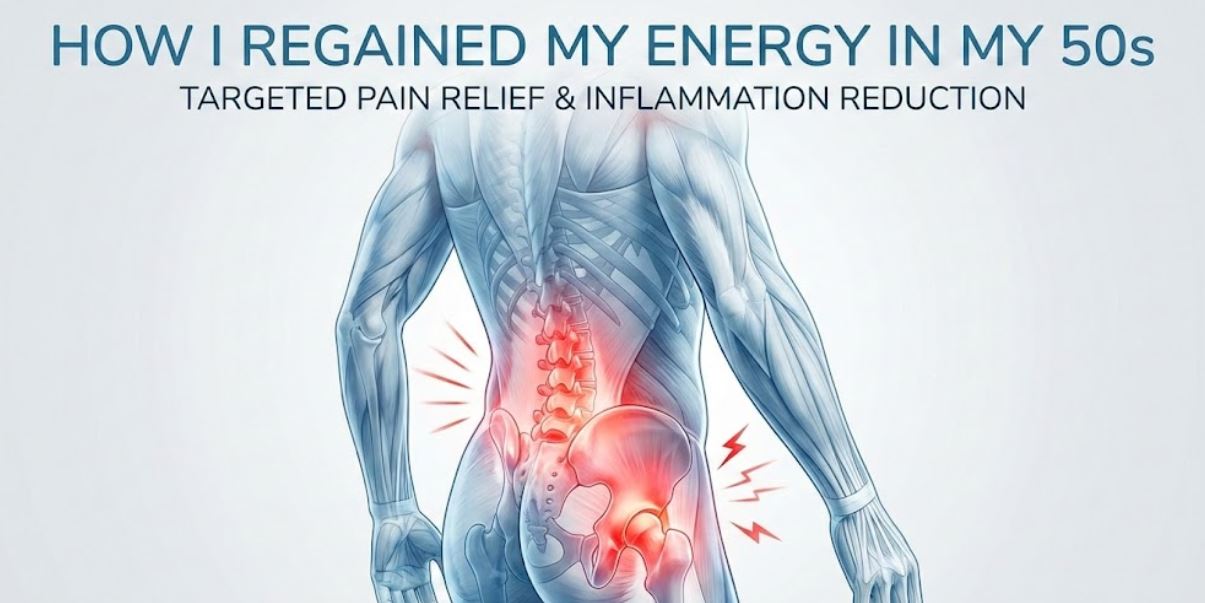
“At 45, I’d wake up feeling run over by a truck. My back is a knot of pain. My mind was foggy. The idea of getting out of bed and facing the day sounded like swallowing nails. People would say to me, ‘It’s normal, it’s aging.’ They asked me to accept. That was my “normal”. A life of deep and chronic exhaustion in which a cup of coffee felt like a drop in an endlessly bottomless well. Long before my time, I felt old, weak, and defeated.
If you’re reading this, maybe you have felt that way. Nothing, not even sleep, can cure that depth of denial fatigue. The disillusionment of the body and mind no longer moves as they once did. I know exactly what that feels like. I’ve spent 20 years climbing my way out of that hole. I am not a professional doctor, but someone who did not want to accept this situation. Here’s what I’ve discovered.
The answer to solving this problem wasn’t some magic pill for me. It was a process of building a brand-new energy system from scratch in my body. I learned that in my 50s, the fatigue I so frequently experienced might be a signal — one that was telling me my cellular engines were clogging u,p and my daily patterns of life were not helping any. It was a combination of a few lifestyle tweaks centered around exercise, nutrition, and daily habits. I moved from feeling fatigued all the time to having steady and vibrant energy throughout the day.
How to Increase Energy Levels in Old Age: It Starts in Your Cells

I used to think energy was just about sleep. I was wrong. Research suggests our energy is made in tiny power plants inside our cells called mitochondria. By my 40s, mine were running poorly. I was fueling them with garbage and never asking them to work hard. They had become sluggish and inefficient. This is what I did to change that.
- I Made Movement Non-Negotiable, But Smart. I didn’t start by running marathons. I started by walking. My protocol was simple: move with purpose every single day. I learned that consistent, moderate movement was the best signal to my body to build more mitochondria. It’s like telling your factory to build more power plants.
- I Embraced Strength. This was a game-changer. Muscle isn’t just for looks. It’s a metabolic engine. I found that building lean muscle through basic bodyweight exercises and light weights dramatically improved my stamina. It made every physical task easier, which conserved energy for everything else.
- I Learned to Breathe. Stress is an energy thief. It keeps your body in a state of high alert that drains you dry. My experience taught me that controlled, deep breathing was my direct line to calming my nervous system. Five minutes of focused breathing could do more for my energy than a third cup of coffee.
How to Boost Energy When Tired: My Daily Anti-Fatigue Protocol

When you’re in the fog, you need clear, immediate actions. These weren’t grand gestures. They were small, powerful habits that I built one by one to stop the daily energy leaks.
- The 10-Minute Morning Rule. The first thing I did set the tone. No phone. Instead, I did two things: I drank a large glass of water to rehydrate after sleep, and I got 10 minutes of morning sunlight on my skin. This simple combo helped regulate my cortisol (a key energy hormone) and told my body it was time to be awake.
- I Became a Sugar Detective. My biggest energy crashes came 90 minutes after a sugary breakfast or snack. I discovered that swapping processed carbs and sugars for whole foods—like eggs, vegetables, and healthy fats—kept my blood sugar stable. No spikes, no crashes. Just steady fuel.
- The Strategic Power-Down. I used to think pushing through was strength. I learned that strategic rest is powerful. My protocol includes a 20-minute afternoon “non-sleep” rest. I would lie down, listen to calm music, or simply close my eyes. This wasn’t a nap, but a system reset. It often gave me a second wind for the evening.
The Best Energy Booster for Seniors Isn’t a Pill, It’s This

Everyone wants a quick fix. So did I. But the most powerful “booster” I ever found wasn’t in a bottle. It was on my plate and in my sleep.
- I Focused on Protein First. As we get older, we process protein less efficiently. I found that ensuring I had a quality source of protein at every meal made a profound difference in my muscle maintenance and sustained energy. For me, this looked like chicken, fish, eggs, or legumes.
- I Prioritized Sleep Quality, Not Just Quantity. Six hours of deep, uninterrupted sleep beats eight hours of restless tossing every time. My protocol for sleep was simple: a cold, dark room, no screens for an hour before bed, and a consistent bedtime. I treated sleep as the most important appointment of my day, because it’s when my body does its repair work.
- The Hydration Link. Dehydration masquerades as fatigue. My experience was that even mild dehydration made me feel slow and headachy. I made a habit of sipping water consistently throughout the day, not just when I was thirsty. Herbal teas were my ally here.
At What Age Do You Start Feeling Tired and Old? The Answer Might Surprise You
They told me 45 was normal. I call that nonsense. Feeling “tired and old” is not an age. It’s a condition. It is the product of decades of small choices that drain your vitality bit by bit. For me, it was bad posture, shitty food, constant stress, and no actual exercise. Studies from the National Institute on Aging also indicate that physical activity, sleep quality, nutrition, and stress management continue to serve as powerful levers for sustainably maintaining energy well into later decades.
Also Read : (TIPS) – Gain energy fast after releasing sperm.
Except it wasn’t that birthday that was actually the turning point. It was a decision. And I decided to quit blaming my age and find out what the real causes were. I kept asking myself: Is it my joints, or is that inflammation due to what I’m eating?’ Is it mental sluggishness, or from lack of sleep, and something to stimulate the brain? I came to understand that the only way my body said, “Help,” was fatigue. When I started listening to those signals and addressing them with the right lifestyle changes, that “old” feeling began to fade. In its place came a resilience I hadn’t felt in decades.
Frequently Asked Questions
Look at your daily habits first. In my experience, fatigue is rarely one big problem. It’s many small drains. Start by fixing your sleep rhythm, moving your body daily, and eating whole foods. Consistency with these basics is more powerful than any shortcut.
It’s a combination of things. From what I gathered, common factors might include lowering mitochondrial function and muscle mass loss, hormonal shifts, quality of sleep (sleeping too little or poor quality), chronic low-grade inflammation, and the cumulative total burden of stress. It’s a systems problem, and therefore the solution must be systemic.
My two fastest tools are movement and breath. A brisk 5-minute walk outside or a session of deep, slow breathing (inhale for 4 seconds, hold for 4 seconds, exhale for 6 seconds) can oxygenate your blood and calm your mind, providing a quick, clean sense of alertness without a crash.
You rebuild it. You don’t get the energy of your 25-year-old self back, and that’s okay. In my journey, I built a new kind of energy—more stable, more reliable, and more resilient. It came from dedicated strength training, meticulous sleep hygiene, and a diet that fueled my cells, not just my cravings.
Common? Yes. Normal? No. This was the most important distinction I made. Just because many people experience it doesn’t mean you have to accept it. What’s “normal” is your body asking for better care. Listening to that call was the start of everything for me.
Conclusion
Getting your energy back in your fifties is not about turning back the clock. It means repairing the foundation. It’s about removing the junk from your cellular engines, then priming them with the right fuel and putative supercharges to get those engines purring again. My path from chronic fatigue to daily energy was long and slow. It was based on a handful of simple, nonnegotiable principles: intelligent physical activity, end of story; the ability to engage in restorative sleep; emotional balance and psychological strength; nutritional wisdom.
This is not medical advice. This is my personal experience. I was once told that my best days were behind me. I decided to create new days, one step at a time. You have that same power within you.
You have built the body you inhabit. Start building today.
Disclaimer:The information provided on this site is for individual use only. It is informational only and not intended as medical advice. Oh and for the record, I am not a real doctor. Directions Best advice is Always consult your physician before changing your diet, exercise or supplement routine.