

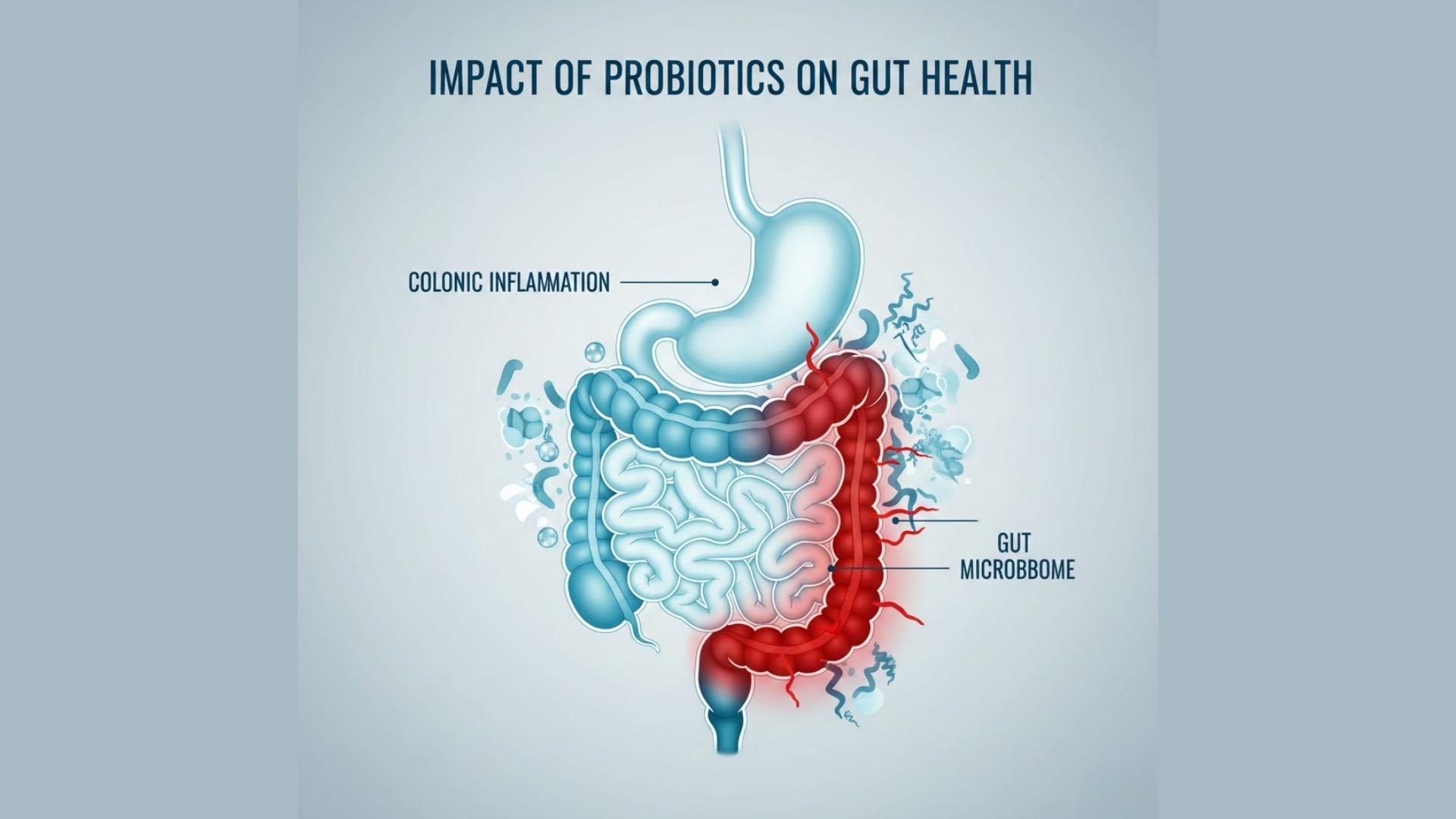
At 45, my mornings began with a dull ache in my gut. It wasn’t just bloating. It was a heavy, swollen feeling that made putting on my pants a struggle. My energy was zero by 2 PM. I felt foggy, stiff, and old. Doctors ran tests and found nothing “wrong.” They said it was just stress, just aging. I was told to accept it. But that constant discomfort, that internal storm, felt like anything but normal. But I discovered the best probiotic foods for gut health to fix my gut health.
If you’re reading this, you might know that feeling. The frustration of a body that rebels for no clear reason. The exhaustion that coffee can’t touch. I turned myself into a living experiment. Rather than accepting a slow decline, I spent 20 years digging into the science of aging and health—not as a doctor, but as a desperate man who refused to give up. And I learned that almost everything starts in the gut.
The key to fixing my gut health for me was not in a pill bottle. It was on my plate. I discovered that the best probiotic foods for gut health are fermented, traditional, and powerful. By making them a daily habit, I calmed the inflammation, ended the bloating, and rebuilt my foundation from the inside out.
For two decades, I tested everything on myself. I moved from confused patient to my own architect. My gut protocol became my cornerstone. It’s simple, but it requires consistency. Here is exactly what I did, section by section.
Finding the Best Probiotic for Gut Health and Bloating

My bloating was my loudest alarm bell. It signaled fermentation gone wrong inside me. Store-bought probiotics helped a little, but they were expensive and inconsistent. In my experience, the most effective solution was natural, fermented food.
- My Daily Ritual: I started with one forkful of raw, unpasteurized sauerkraut with lunch and dinner. Not the canned kind on the shelf. The refrigerated, live kind. The bacteria in it (like Lactobacillus) helped crowd out the gas-producing bugs in my gut.
- The Game-Changer: Kimchi became my favorite. The Korean spicy fermented cabbage did more than any pill. The capsaicin from the chili peppers and the fiber worked together to reduce my bloating dramatically within weeks.
- What I Learned: Consistency beat potency. A small amount of these powerful foods every single day worked better than a high-dose supplement taken now and then. My protocol was to “eat a little, often.”
The Best Probiotics for Gut Health and Weight Loss

When my gut was inflamed, I craved sugar and carbs. It was a vicious cycle. As I healed my gut lining with these foods, those cravings faded. The weight I couldn’t lose in my 40s began to melt off in my 50s. Research suggests a healthy gut microbiome helps regulate metabolism and hormones.
- My Secret Weapon: Kefir. Think of it as yogurt’s powerful cousin. It contains up to 30 different strains of yeast and bacteria. I made a morning smoothie with plain, whole milk kefir, berries, and a spoon of chia seeds. The protein, fat, and probiotics kept me full and stabilized my blood sugar.
- The Fat-Burning Helper: Apple Cider Vinegar (with the “mother”). I would mix one tablespoon in a large glass of water before a big meal. In my experience, this helped me feel full faster and improved my digestion. It’s a fermented food that supports a healthy gut environment.
- Crucial Note: This wasn’t a “diet.” It was about feeding the good bacteria so they could help manage my appetite and energy use. The weight loss was a welcome side effect of fixing the root problem.
Sticking With the Best Probiotics for Gut Health: Natural Sources

I trust food over factories. Natural probiotic foods come with prebiotic fibers (food for the bacteria) and other nutrients. They work as a complete system. This is what worked for me.
- My Top Natural Probiotic Foods List:
- Yogurt (Plain, Grass-Fed): Look for “live and active cultures.” I avoid sugary flavored kinds.
- Kombucha: This fermented tea is fizzy and tart. I brew my own to control the sugar. One small glass a day is plenty.
- Miso Paste: A spoonful of this fermented soybean paste in hot water makes a gut-soothing soup in minutes.
- Pickles (Fermented, not Vinegar): Real fermented pickles are found in the refrigerated section. They should say “naturally fermented” on the jar.
- My Rule: I include at least two different fermented foods in my diet every single day. Variety is key for a diverse microbiome.
The Best Probiotics for Gut Health After Antibiotics

At 58, I needed a strong antibiotic. It wiped me out. I knew it was also wiping out my hard-earned gut flora. This was a critical repair job. My protocol focused on aggressive, gentle re-seeding.
- Immediate Action: During and for 2 months after the antibiotics, I doubled my intake of kefir and sauerkraut. I had kefir daily and sauerkraut with two meals.
- The Prebiotic Focus: I heavily increased prebiotic foods to feed any good bacteria left. I ate more:
- Garlic and Onions (cooked in every savory meal)
- Asparagus and Bananas (slightly green)
- Oats and Flaxseeds (in my morning mix)
Also Read : What Happens If You Ignore Lactose Intolerance.
- What I Learned: After antibiotics, your gut is a blank slate. You must be the architect and repopulate it with good tenants immediately, or less helpful ones will move in. This took patience, but it was non-negotiable.
Frequently Asked Questions
In my experience, there is no single “best” pill. The best strategy is a daily rotation of natural, fermented foods like kefir, sauerkraut, kimchi, and yogurt. They provide a diverse array of live bacteria that pills often can’t match.
I am not a doctor, so I cannot speak for them. In my research, many experts in gut health emphasize strains like Lactobacillus and Bifidobacterium. These are abundantly found in the natural foods I eat, which is why I focus on them.
My signs were clear: constant bloating, irregular digestion, low energy, sugar cravings, and getting sick often. If your gut feels “off” regularly, it might be a sign of imbalance. This was my personal experience.
This is what worked for me: yes, completely. I have not taken a probiotic supplement in over a decade. I get all I need from my daily fermented foods. It is more cost-effective and, in my view, more effective.
Be patient. In my journey, I noticed small improvements in bloating within 1-2 weeks. But for deep, lasting change in energy and digestion, it took a consistent 2-3 months of daily practice. Your gut didn’t get off track overnight.
Conclusion
At 65, I no longer think about my gut. It just works. The bloating is gone. The energy is steady. The mind is clear. This wasn’t magic. It was a deliberate, daily choice to build my health from the foundation up. The best probiotic foods for gut health were my most powerful tools. They are ancient, simple, and profound.
You do not have to accept fatigue and discomfort as “just aging.” You have more control than you are told. Start small. Add one fermented food to your next meal. Listen to your body. You are the architect of your own body. Start building today.
Disclaimer: The content on this website is based on personal experience and research. It is for informational purposes only and is not medical advice. I am not a doctor. Always consult your physician before changing your diet, exercise, or supplement routine.